
Exploring Male Physiological Well-being
A structured, neutral overview of concepts, historical perspectives, and contextual frameworks relating to male physiological well-being.
Learn MoreA Framework for Understanding
Aethel is an independent informational resource dedicated to the structured presentation of knowledge relating to male physiological well-being. Our materials are organised to support general understanding of a broad and often complex subject area.
The resource draws together contextual frameworks, historical perspectives, and definitional clarity to provide a coherent reference point. Each section is curated to reflect the range of established approaches and terminology associated with this field, without advocating for any particular course of action or outcome.
Content is presented in a consistent, editorial style: methodical, neutral, and oriented toward comprehension rather than instruction. Readers are encouraged to engage with the material as a starting point for their own informed exploration.
Key Aspects of the Subject
The study of male physiological well-being encompasses several interrelated conceptual areas, each offering a distinct lens through which the subject can be examined.

Circadian and Daily Patterns
An overview of how daily biological rhythms intersect with various aspects of physiological function, including the general context of natural fluctuations across the waking cycle.

Habitual and Environmental Factors
A contextual review of how sustained routines, physical activity patterns, and environmental conditions have been associated with general physiological well-being over time.

Conceptual Frameworks of Balance
Exploration of how various cultural and historical traditions have understood the concept of physiological equilibrium, and how these ideas continue to inform contemporary understanding.
Clarifying Prevalent Misunderstandings
A significant portion of general discourse around male physiological well-being is shaped by persistent misunderstandings. Examining these allows for a more grounded appreciation of the subject.
The Idea of a Single Determining Factor
It is widely assumed that physiological well-being in men is governed primarily by one overriding variable. Research contexts consistently point toward a far more complex interaction of multiple concurrent influences, none of which operates in isolation.
Conflating Age with Inevitable Decline
While age introduces change, the assumption of uniform, inevitable decline across all physiological dimensions oversimplifies a process that varies considerably between individuals and across different measured domains.
Overstating the Role of Short-term Interventions
A common pattern in general discourse is to attribute disproportionate significance to brief or isolated interventions. Sustained contextual patterns tend to be far more relevant in the longer historical and observational record.


The Long View: Approaches Across Time
Recorded understandings of male physiological well-being span centuries and cultures. This breadth of perspective reveals how differently the same fundamental questions have been framed.

Early Systematic Observations
Ancient Greek, Roman, and Eastern scholarly traditions developed early frameworks for understanding male physical vitality, often integrating observations of activity patterns, seasonal change, and environmental context into comprehensive conceptual systems.
These early accounts, while structured differently from contemporary models, demonstrate a consistent interest in understanding the conditions associated with sustained physiological vigour across different stages of life.
Emergence of Systematised Knowledge
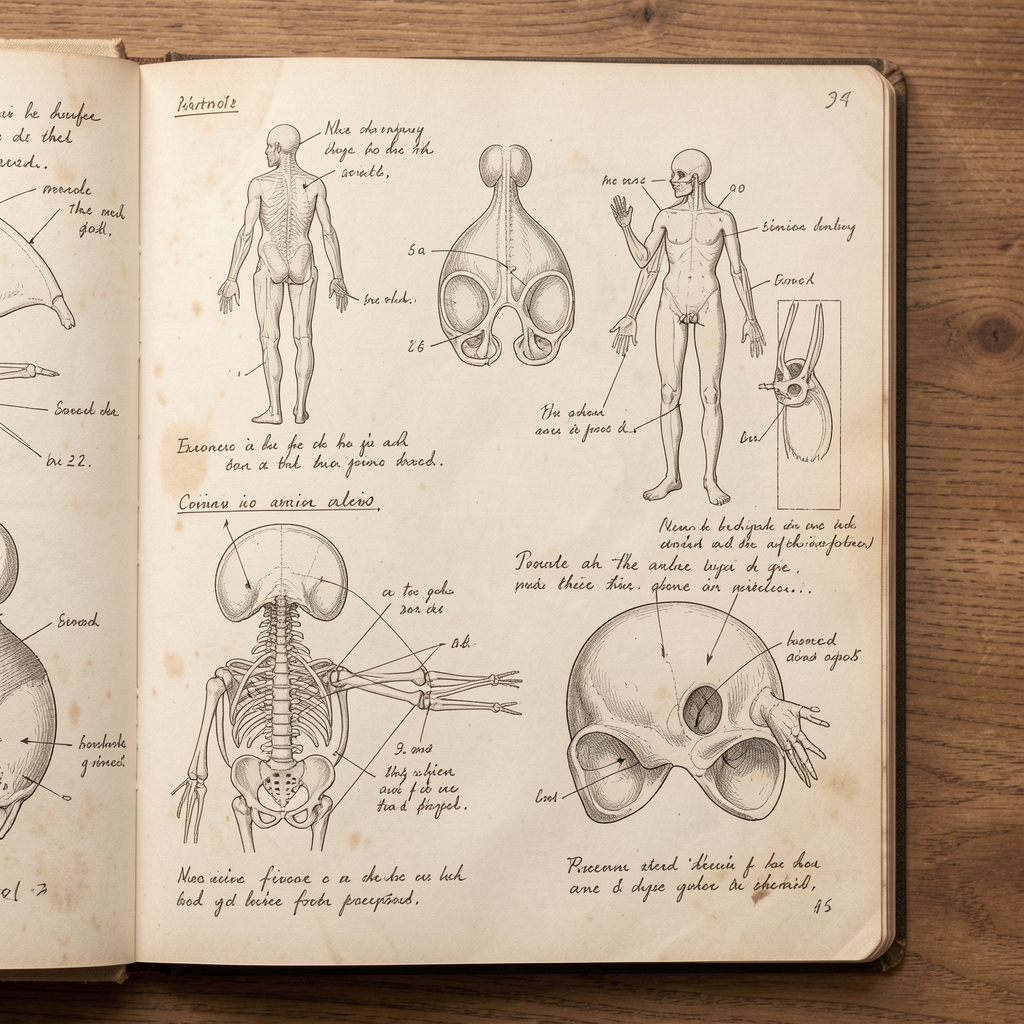
The shift toward empirical observation in the early modern period brought new methods to bear on longstanding questions. Systematic categorisation, comparative anatomy, and early longitudinal observations began to replace purely philosophical accounts, establishing a foundation for the evidential approaches that followed.
Industrialisation further changed the context of male physiological experience, prompting new frameworks that accounted for changing patterns of labour, urban living, and nutrition.
Holistic Physical Traditions
Systematic frameworks linking environment, activity, and physical state emerged across multiple civilisations.
Anatomical Inquiry
Formal anatomical study created the structural vocabulary still used to describe physiological systems.
Empirical Categorisation
Longitudinal observation and systematic categorisation began to produce structured, reproducible frameworks.
Integrated Context Models
Current frameworks consider multiple simultaneous variables and recognise significant individual variation.
Core Terminology and Definitions
Understanding the vocabulary associated with male physiological well-being helps orient engagement with the wider body of informational material. The following terms recur across the subject and carry specific, contextually important meanings.
The sustained background state of physical readiness and functional capacity, distinct from acute or temporary conditions.
The general tendency of biological systems to maintain internal stability in response to changing external or internal conditions.
The foundational metabolic environment at rest, which shapes the parameters within which other physiological variables operate.
The capacity of physiological systems to adjust their function over time in response to consistent or recurring environmental signals.
Why This Subject Warrants Structured Attention
Selected Questions
A selection of common questions about the scope and context of this resource, drawn from the full FAQ section.
What is the primary focus of Aethel's content?
Aethel focuses on providing structured, neutral information relating to male physiological well-being. The resource covers contextual frameworks, historical approaches, core terminology, and common misconceptions, without advocating for any specific action or outcome.
How does Aethel approach historical perspectives?
Historical content is presented comparatively and without editorial bias toward any single tradition. The aim is to illustrate the breadth of approaches that have informed understanding of male physiological well-being across different periods and cultural contexts.
Is this resource intended as individual guidance?
No. All content on Aethel is general and informational in nature. It is not structured around individual circumstances and does not present itself as applicable to any specific reader's situation.
What is Aethel's editorial methodology?
Content is selected and organised according to a structured editorial framework that prioritises clarity, contextual accuracy, and neutrality. Materials are reviewed to ensure they remain within the defined informational scope of the resource.
Reach Out with General Enquiries
For questions about the editorial content, the methodology behind our materials, or general enquiries about the scope of the resource, you are welcome to contact the Aethel editorial team.
All correspondence is general in nature. We do not respond to enquiries seeking individualised assessments or outcomes.
Monday to Friday, 9:00 AM – 5:00 PM (GMT+7)
Go to Contacts

Explore the Full Scope of the Topic
The resource contains detailed sections on each key conceptual area, from historical context to definitional frameworks. Navigate the full scope at your own pace.